
Introduction:
If you’re new to meditation, you might be wondering how to get started. The idea of sitting still and “emptying your mind” can feel a little intimidating at first, but the good news is—meditation isn’t about forcing your thoughts away. It’s about learning to be present and aware in the moment. In this guide, I’ll walk you through the basics of meditation so you can start your journey with confidence and ease.

1. Find a Quiet Space
You don’t need a fancy meditation room—just a quiet corner where you won’t be disturbed. It could be your bedroom, a peaceful spot in the park, or even your office during lunch break. The key is to minimize distractions so you can focus inward.
2. Get Comfortable
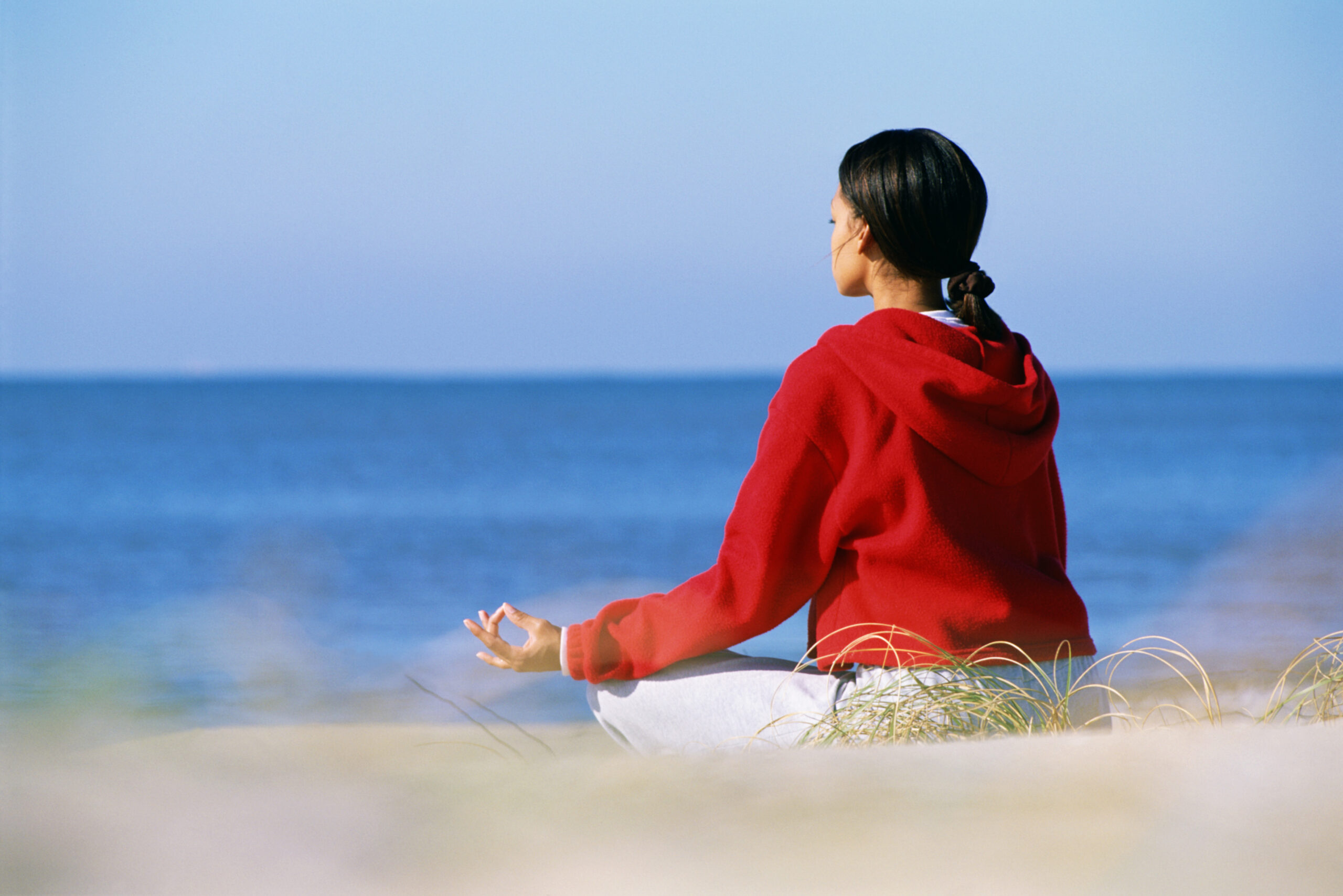
You can sit on a cushion, a chair, or even lie down if that feels better for you. The important thing is to keep your spine straight and your body relaxed. If you’re sitting, place your hands on your lap or knees, and if you’re lying down, keep your arms relaxed at your sides.
3. Start with Your Breath
Close your eyes gently and take a deep breath in through your nose, then slowly exhale through your mouth. Pay attention to the sensation of your breath entering and leaving your body. If your mind starts to wander (which it will!), gently bring your focus back to your breath without judgment.
4. Let Thoughts Come and Go
Many beginners think they’re “failing” at meditation when thoughts pop into their heads. But that’s completely normal! Instead of getting frustrated, acknowledge the thought and let it drift away—like a cloud passing in the sky. The goal isn’t to have zero thoughts, but rather to become aware of them without getting caught up in them.
5. Start Small and Be Consistent
You don’t need to meditate for an hour a day to experience benefits. Even 2 to 5 minutes can make a difference. Start with short sessions and gradually increase the time as it becomes part of your routine.
6. Use Guided Meditations
If sitting in silence feels challenging, try using guided meditation apps like Headspace, Calm, or Insight Timer. These provide structured sessions with soothing voices that can help ease you into the practice.
7. Be Kind to Yourself
Meditation is a skill, and like any skill, it takes time to develop. Some days will feel easier than others, and that’s okay. The most important thing is to keep showing up for yourself, even if it’s just for a minute or two.
Final Thoughts:
Starting a meditation practice doesn’t have to be complicated. It’s about creating a small moment of stillness in your day to reconnect with yourself. As you build consistency, you’ll start noticing the benefits—more clarity, less stress, and a greater sense of inner peace. So take a deep breath, find a quiet spot, and give it a try. Your mind will thank you!